Food industry news, market data and the science behind it. Written by a food scientist working in Indonesian food manufacturing.
Today
Krista Interfood 2026 enters day 2 at NICE PIK 2, Tangerang (4–7 Nov) • FAO Food Price Index reported at about 136 points in September, highest since late 2022 • BPOM Regulation 10/2026: Nutri-Level labels now mandatory for certain drinks • Q2 2026 GDP +5.29%, household spending +5.06% • Bulog rice stock hits a record 5.36 Mt • October palm oil reference price US$1,042/t • Indonesia coffee output forecast −8% • Singapore clears more cultivated meat
Leave your name and email to unlock this issue. It's free, and you only do it once on this device.
Exhibition Daily and world food news
Industry roundup: coffee, dairy, palm oil, cocoa, rice
Market data with sources, plus food science notes
Your details are used only to send Lab Notes and are never sold or shared. You can unsubscribe anytime.
Live
Exhibition Daily
Krista Interfood 2026 · Day 2 of 4
Indonesia's food, beverage and HoReCa show opens at NICE PIK 2
The show runs 4–7 November at the Nusantara International Convention Exhibition (NICE), PIK 2, Tangerang. It covers food, beverage and hospitality, and moved to this venue from Kemayoran. The organiser, Krista Exhibitions, confirmed the dates and venue earlier this year and said the show would go ahead despite a trademark dispute.
Exhibitor and visitor counts differ widely between listings (one third-party directory claims ~1,500 exhibitors and 95,000 visitors). Final organiser numbers will be added when published.
SIAL Paris 2026 · Wrap-up
Street food, snacking and start-ups set the tone in Paris
The world's largest food show ran 17–21 October at Paris Nord Villepinte. Before it opened, organisers expected up to 8,000 exhibitors and 295,000 trade visitors. New this year: a Street Food Lab, a snacking and deli hall, and around 650 start-ups.
Photo: SIAL Paris 2010, Portal Abras, CC BY 2.0
Foodservice · Market data
Cafés and bars lead foodservice growth
Cafés and bars are the fastest-growing foodservice segment, at about 15% a year. Independent outlets make up roughly 62% of the market, according to Mordor Intelligence.
~15%/yr
Café & bar growth (Mordor Intelligence) · Photo: M. F. L. Pratama, CC BY-SA 4.0
World News
FAO Food Price Index
World food prices at their highest since late 2022
The FAO Food Price Index tracks 23 commodities in five groups: cereals, vegetable oils, meat, dairy and sugar. It was reported at around 136 points in September 2026. In March, the FAO said energy costs were pushing up vegetable oils and sugar.
The October release is due in early November · Photo: Clusteringcoefficient, CC BY-SA 4.0
Trade
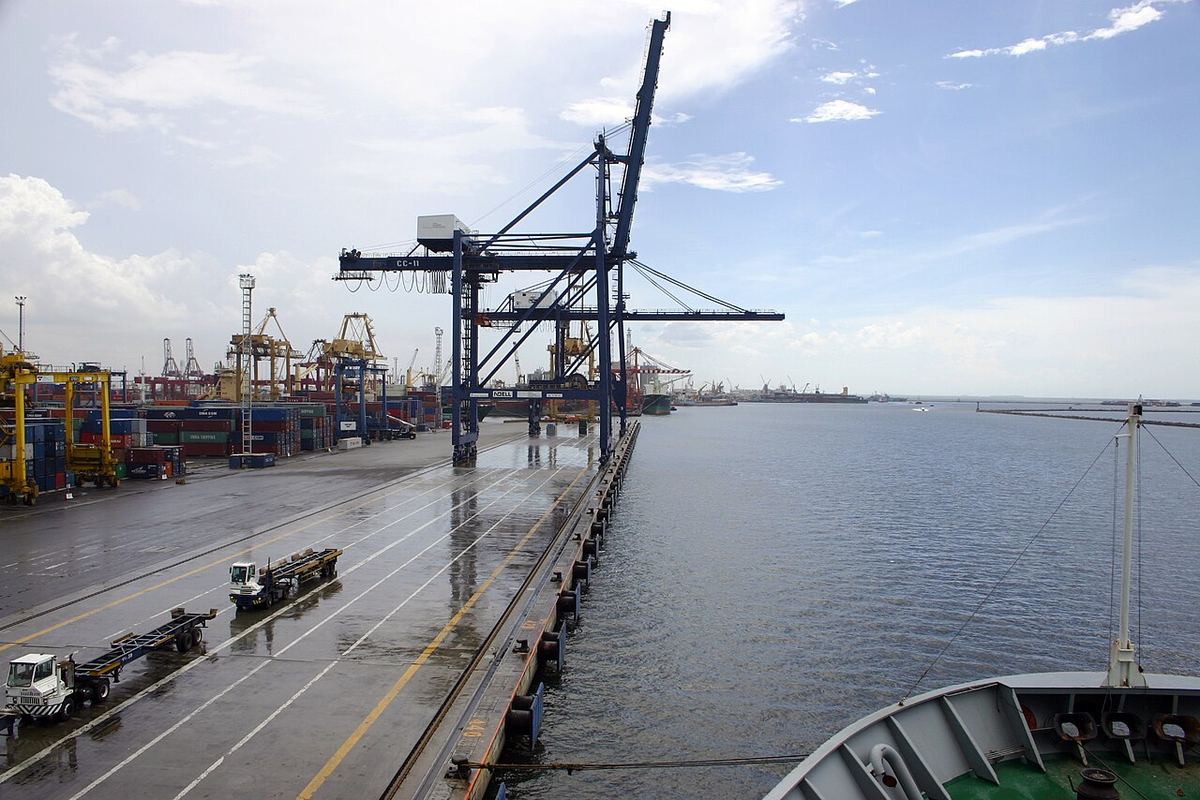
Frozen fries: mostly imported, first local plant opened in 2024
Most frozen fries in Indonesia are imported and sold through foodservice. The first plant making fries from Indonesian potatoes opened in Majalengka in 2024, targeting about 300 tonnes a month.
Photo: Tanjung Priok, N. Johannes, CC BY-SA 4.0
Global brands
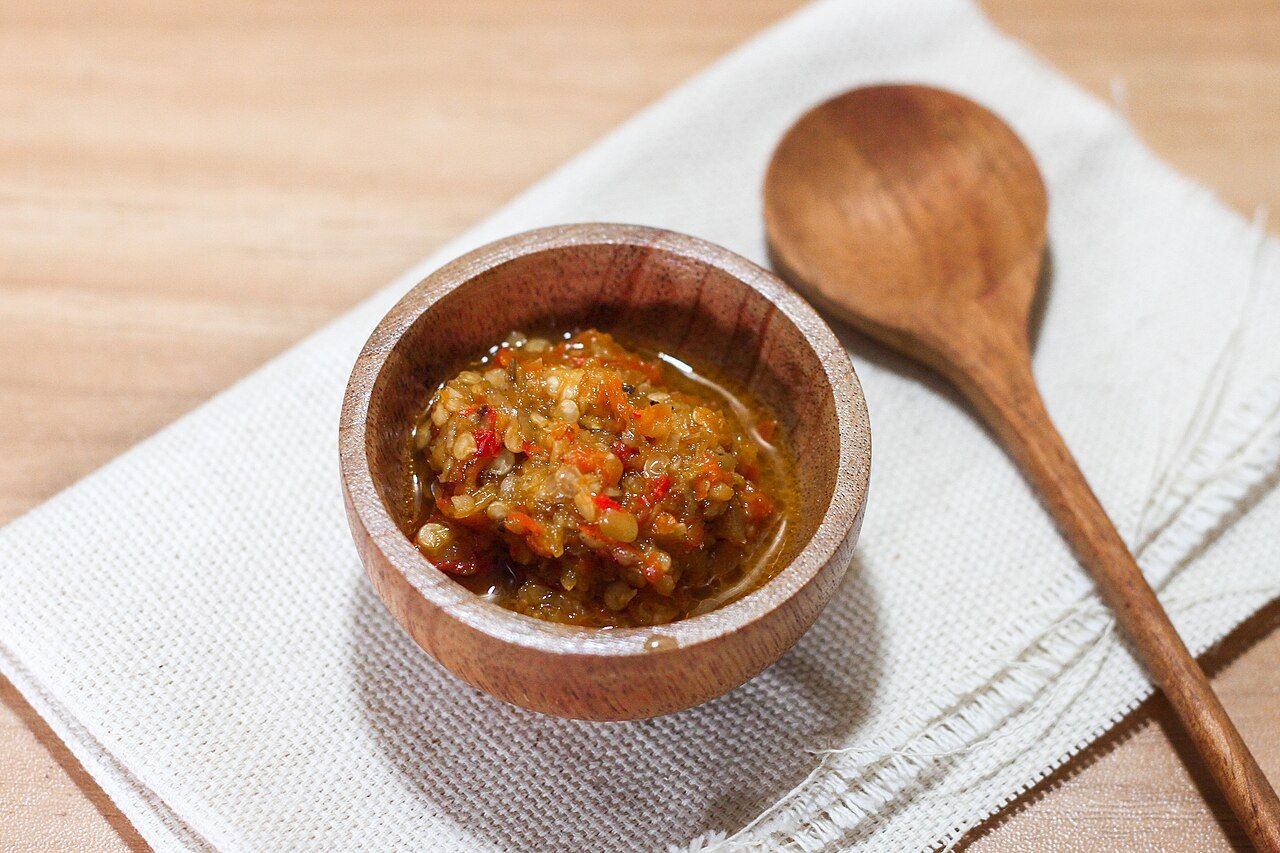
Kraft Heinz launches a sambal line in Indonesia
Kraft Heinz introduced a sambal range in Indonesia in July 2025, adding a global brand to a category long dominated by local producers.
Photo: Windi Utari, CC BY-SA 4.0
Industry Roundup
−8%Indonesia green coffee output forecast
Coffee
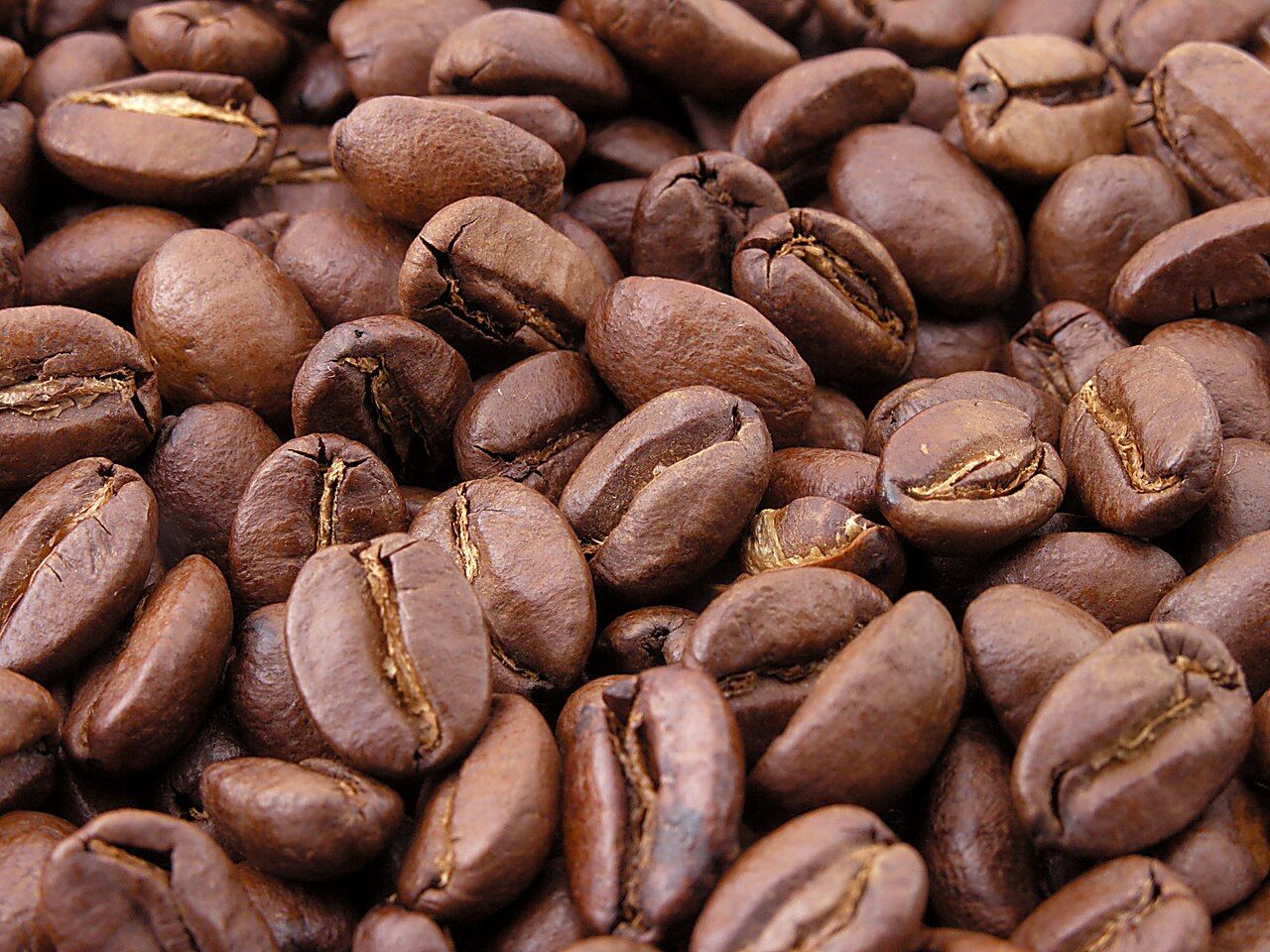
Rain cuts Indonesia's robusta crop
USDA's attaché forecasts 11.4 million bags (60 kg), with robusta down to 10 million after heavy rain disrupted flowering in southern Sumatra and Java. Green bean exports are forecast down 11%. The government has set a target of Rp 100 trillion in coffee exports.
USDA FAS via RFD-TV; Ministry of Agriculture · Photo: MarkSweep, public domain
80%Share of milk demand met by imports
Dairy
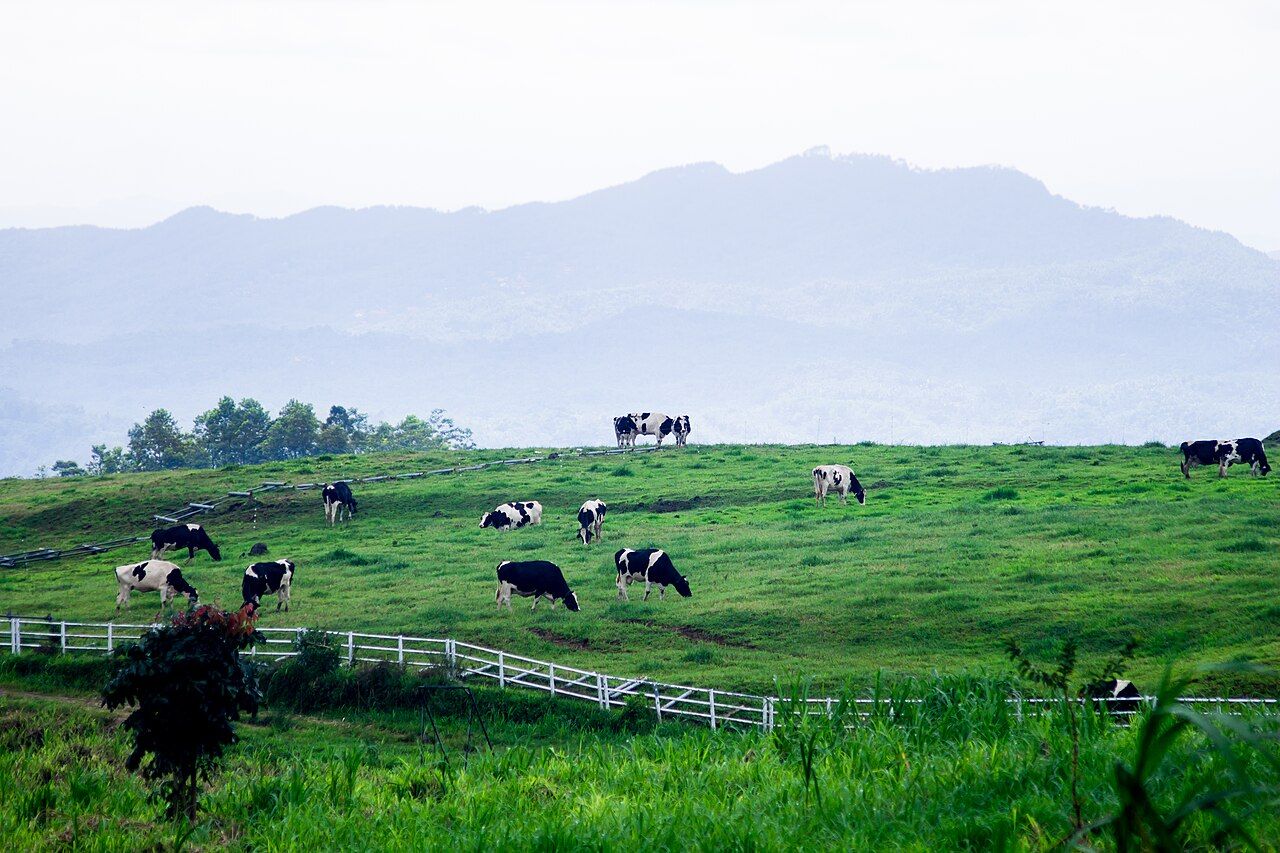
Indonesia imports cows to close its milk gap
Domestic output is about 1 million tonnes a year against demand of about 4 million. The government plans to import up to a million dairy cows over five years, linked to the free meals programme. Shipments from Australia continued through 2026.
The Star; Jakarta Post; eDairyNews · Photo: Hammam Afiq Murtadho, CC BY-SA 4.0
$1,042October CPO reference price, per tonne
Palm oil
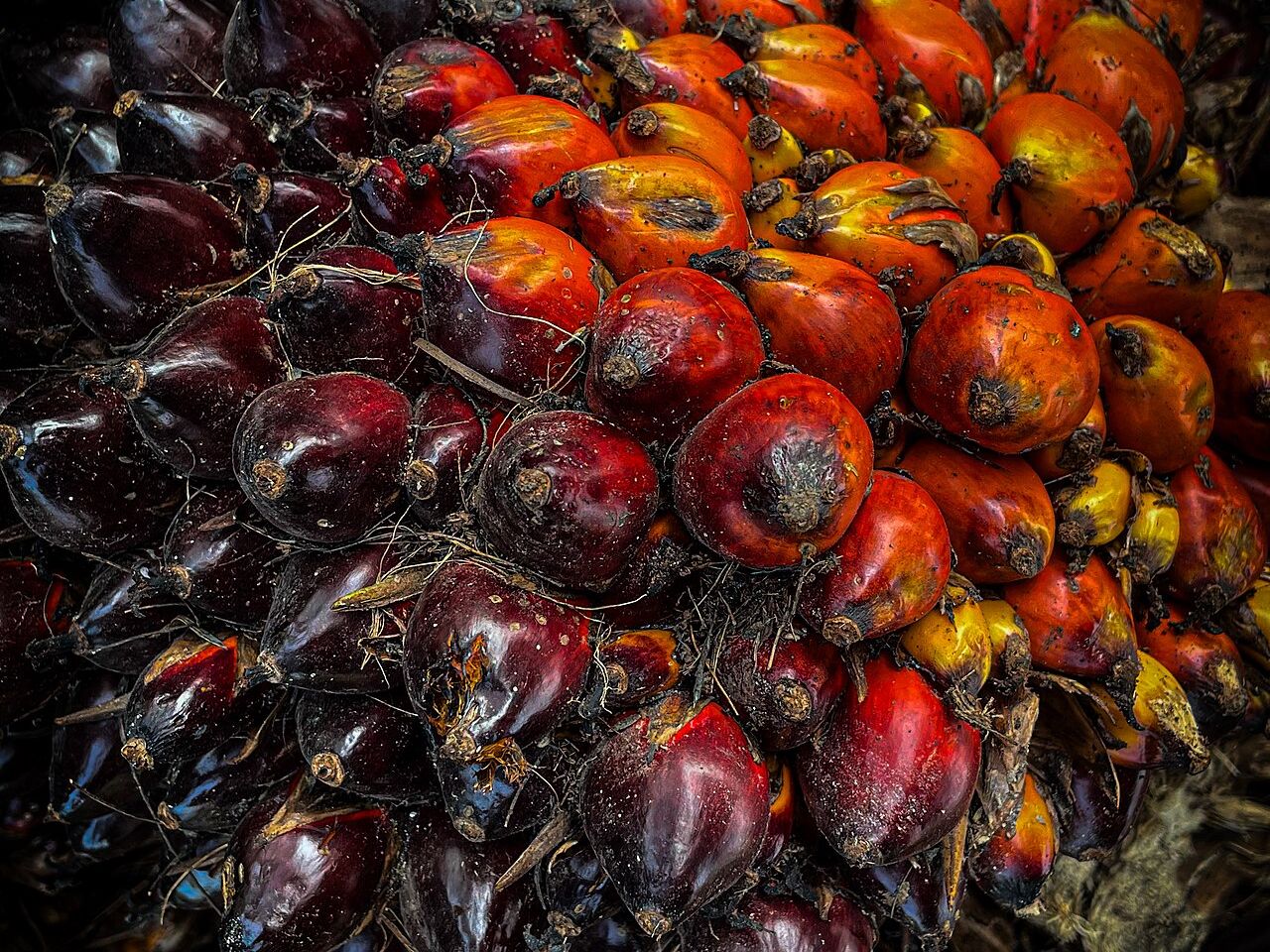
Palm oil reference price up 3.4% for October
The government set October's crude palm oil reference at US$1,042.15/t, up from US$1,007.51. The B50 biodiesel mandate launched on 1 July 2026 is expected to lift domestic palm oil use. Retail premium cooking oil held near Rp 22,500 per litre through October.
RRI; USDA FAS; Ministry of Trade via Databoks · Photo: Officialbernard1, CC BY 4.0
−70%Cocoa wholesale price vs late-2024 peak (May 2026)
Cocoa & chocolate
Cocoa crashed. Chocolate prices haven't followed yet
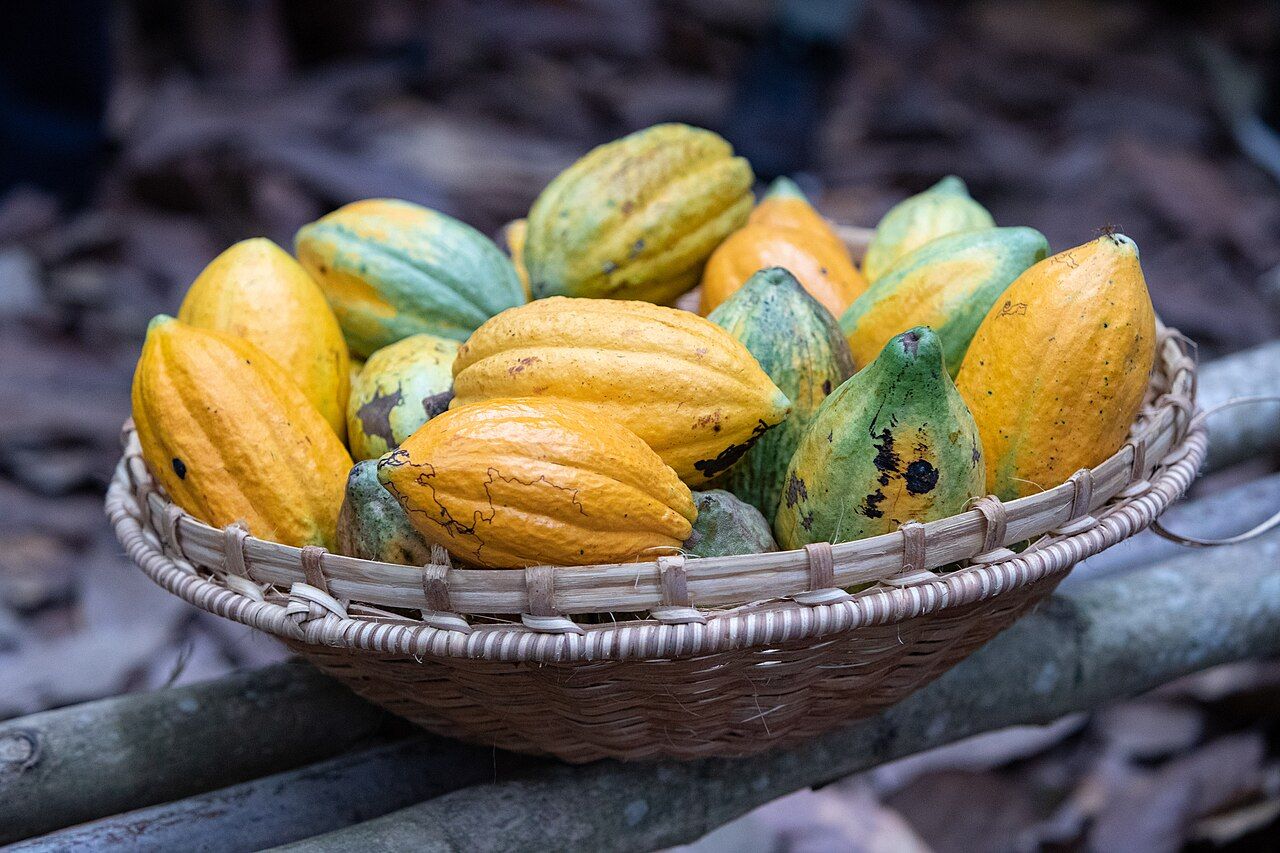
Wholesale cocoa fell about 70% from its late-2024 peak by May 2026. Makers hedge months ahead, so it can take around 10 months for cheaper beans to reach shelf prices. Early surveys point to a weaker West African main crop from October.
Trade press roundup; The Star · Photo: Milequem Diarassouba, CC BY-SA 4.0
5.36 MtBulog rice stock, an all-time high
Rice
No rice imports, record reserves
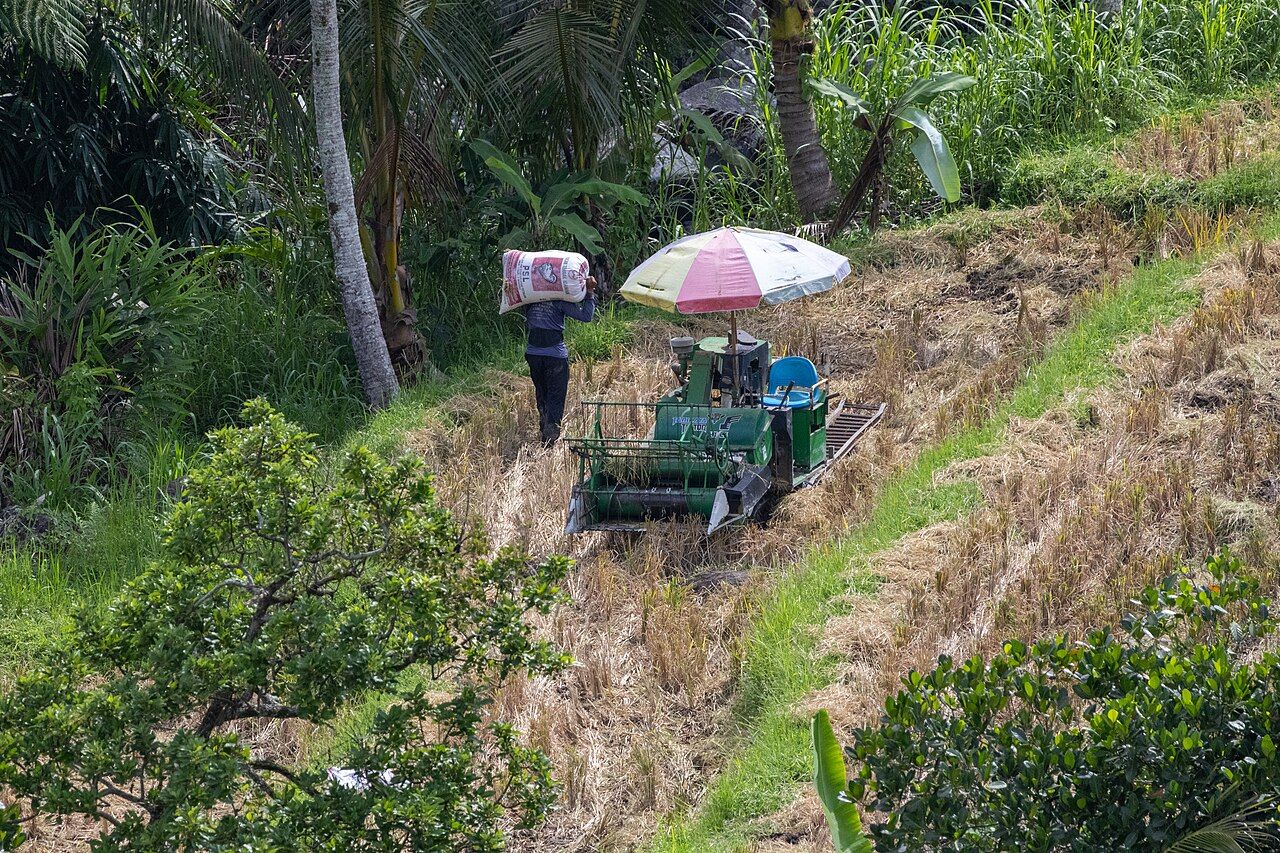
Indonesia declared rice self-sufficiency in January 2026 after 2025 production of 34.69 million tonnes. Bulog's stock reached a record 5.36 million tonnes, and the agency has said it can export up to 1 million tonnes.
Antara; Bapanas · Photo: Eka343, CC BY-SA 4.0
7Cultivated meat products approved in Singapore in 2025
Future protein
Singapore keeps approving cultivated meat
Parima won clearance for cultivated duck in April 2026, its second species after chicken. Aleph Farms says it received Singapore approval for cultivated beef, with a restaurant launch planned for 2027.
SFA via trade press; FoodBev; company statements
Market Report
Processed meat · Retail value
From US$1.06 billion to US$1.82 billion in five years
Retail volume rose from about 189,000 to 273,000 tonnes between 2019 and 2024, roughly 7.6% a year. Within the category, chilled products grew fastest in volume, at about 22% a year.
Source: Euromonitor International via Agriculture and Agri-Food Canada. The 2024 split is rounded.Lab note: chilled versus frozen
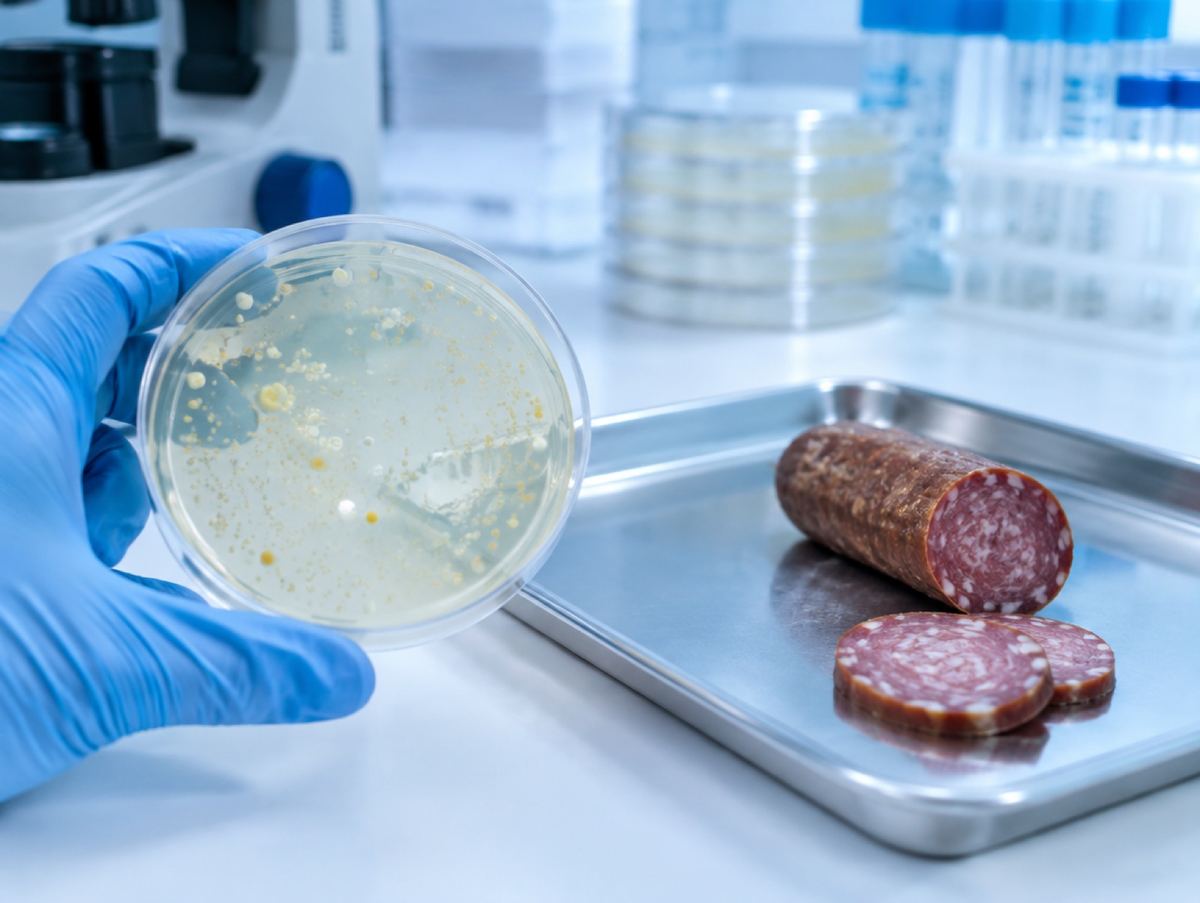
In chilled ready-to-eat foods, the textbook hazard is Listeria monocytogenes, which can grow at fridge temperature if a product is recontaminated after cooking. Frozen storage stops its growth; chilled storage only slows it.
Nuggets & coated chicken
Why Indonesians buy frozen food
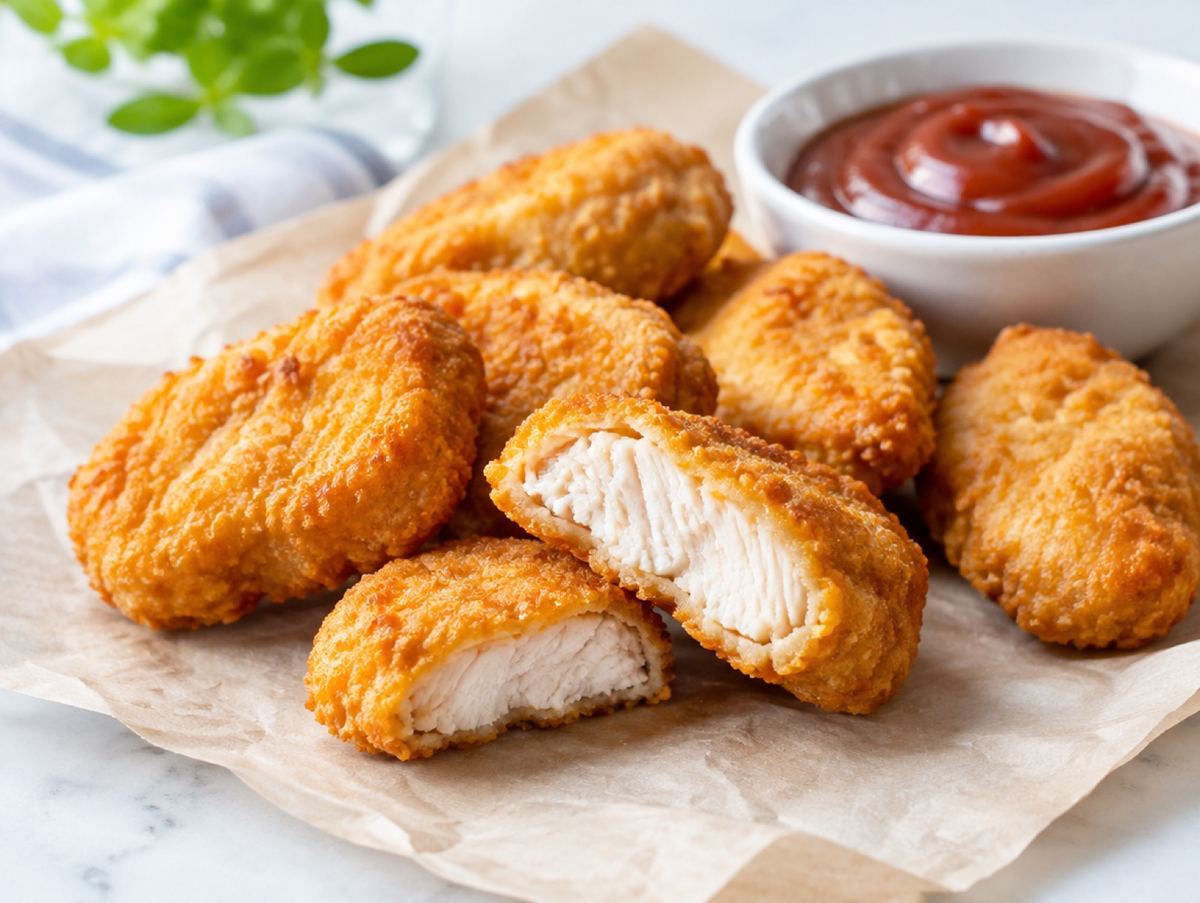
Convenience is the main reason Indonesians buy frozen food. In a JakPat survey of 1,245 people, 57% saw high protein as a plus.
57%
see protein as a plus
Frozen food overall
A US$3.4–3.6 billion freezer, growing 6–7% a year
Mordor projects US$5.0 billion by 2031. Frozen meat and seafood hold about 38%; frozen fruit and vegetables grow fastest.
Lab note
Fast freezing makes small ice crystals that do less damage to food structure. Temperature swings in storage let crystals grow, which is why a stable cold chain matters for texture.
Frozen fries
How frozen fries are made
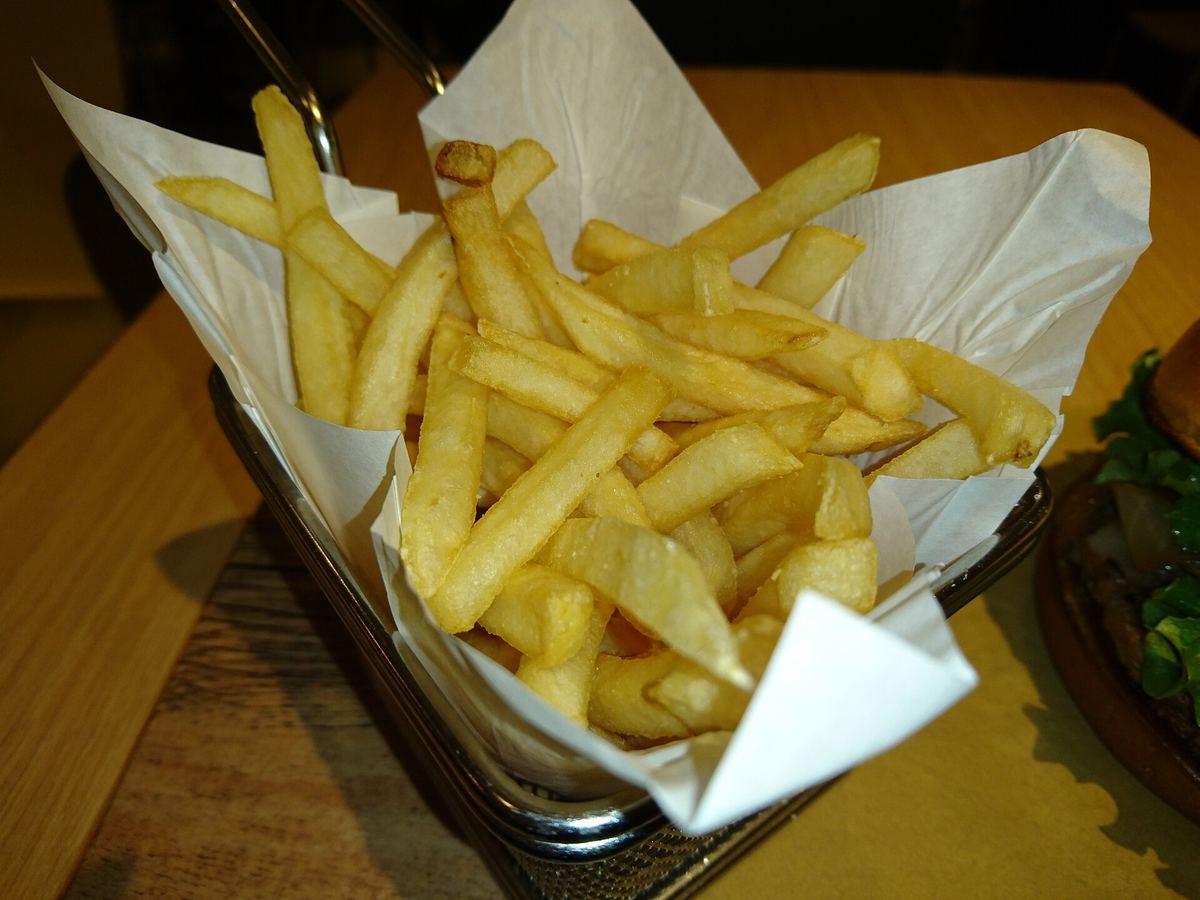
Industrial fries follow a textbook sequence: cut, blanch, dry, par-fry and freeze fast.
Lab note
High reducing sugars brown too fast and raise acrylamide, a Maillard by-product. Blanching washes out surface sugar and sets the colour.
Photo: Ceeseven, CC BY-SA 4.0
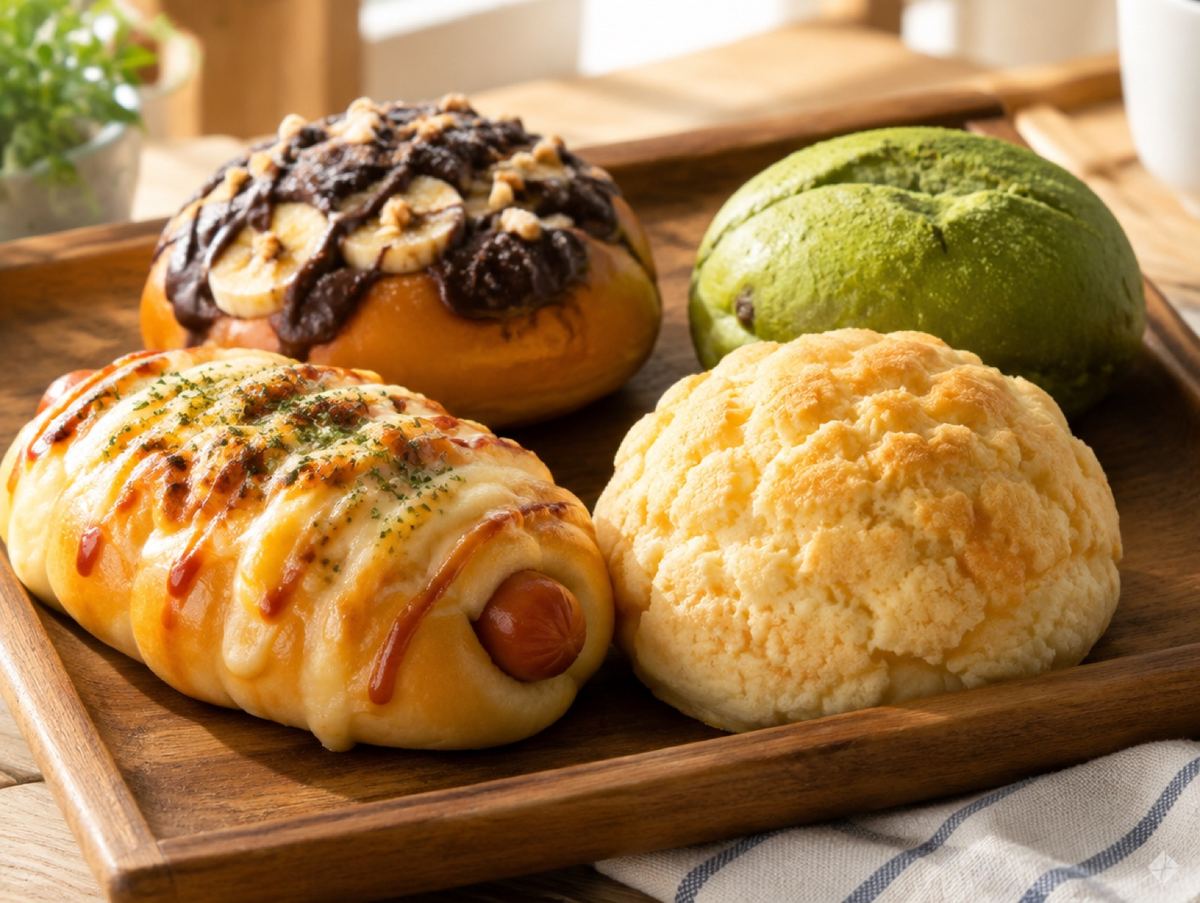
Bakery & buns
Bread is now a staple, with room to grow
Around US$6.9 billion in 2025, growing 3.7–4.4% a year. Per-person bread intake is still well below the Asia-Pacific average.
Lab note
Bread stales fastest at about 4 °C because starch recrystallises. Freezing below −18 °C nearly stops it.
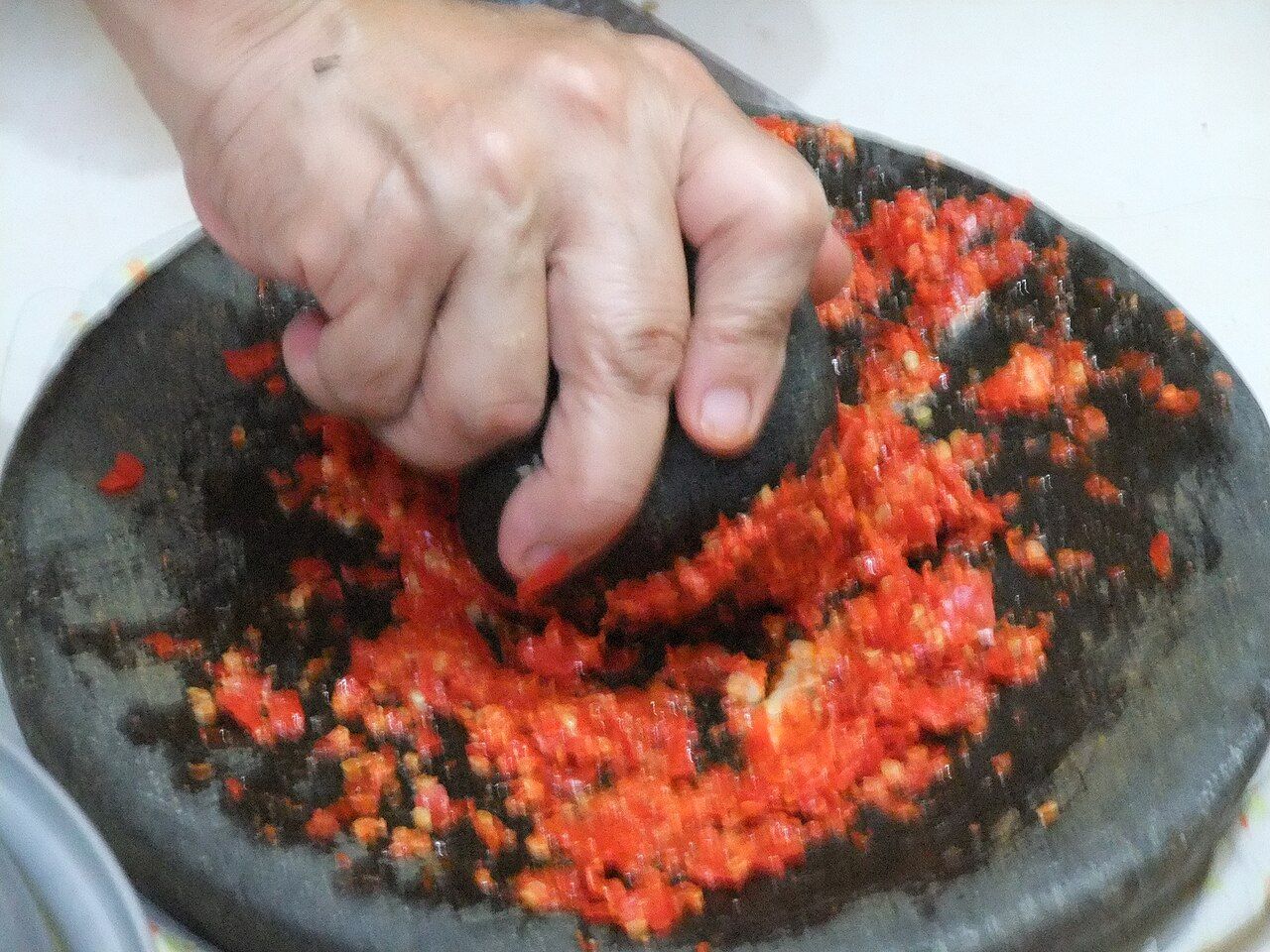
Sambal & condiments
Hot sauce: a small, fast-moving category
Indonesian hot sauce is estimated at around US$70 million. Global sambal estimates sit under US$1 billion.
Photo: Sakurai Midori, CC BY 3.0
Lab note
Most shelf-stable sauces sit at pH 4.2 or lower and are hot-filled. Oil-based sambal with garlic needs extra care: without enough acid, Clostridium botulinum can grow under oil. Chill after opening.
Public demand
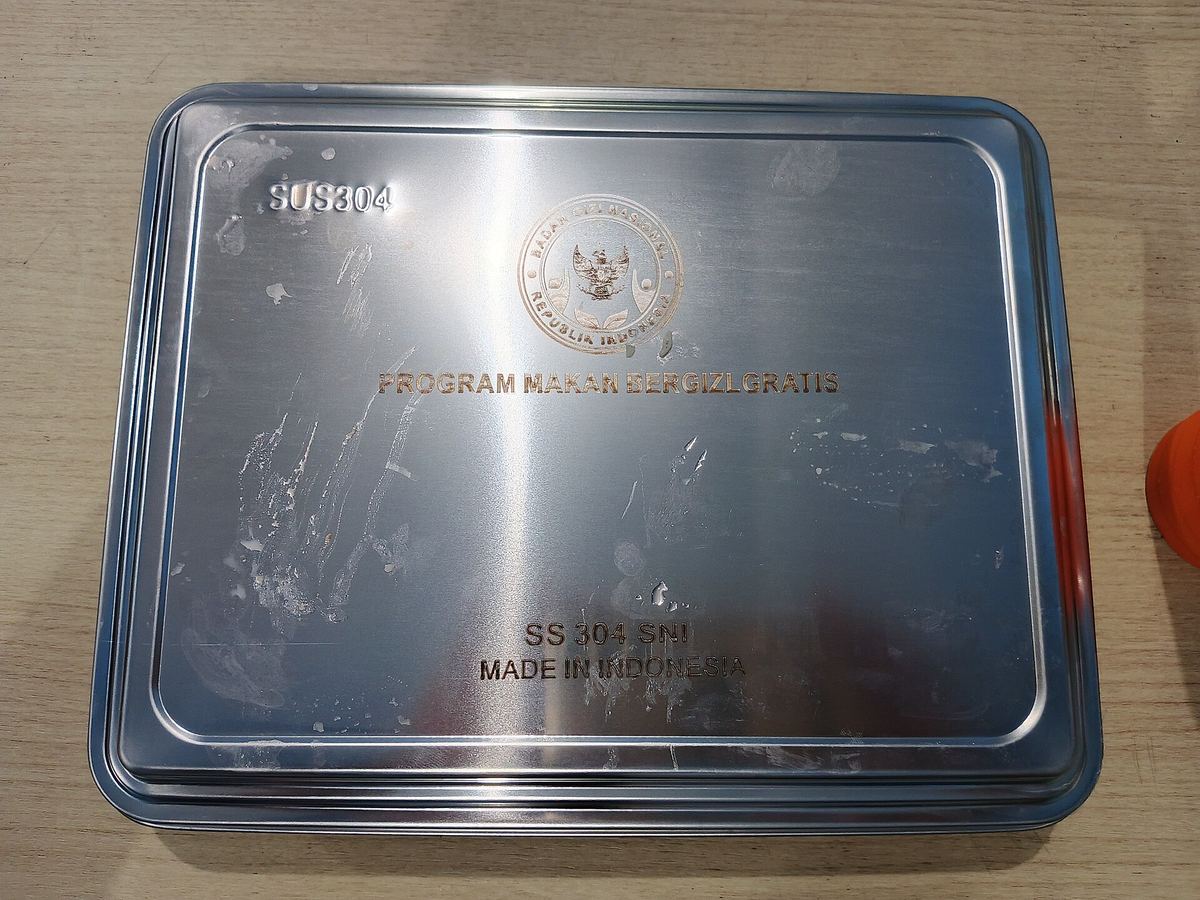
Free nutritious meals: budget and scale
The MBG programme's 2026 budget is reported at about Rp335 trillion, with around 30,000 kitchens running by mid-year.
Figures vary by source · Photo: Meniirtjakarintan, CC BY-SA 4.0
Same market, three answers, up to 49% apart. The gap comes from what counts as foodservice (street food, catering, institutional meals).
Channels
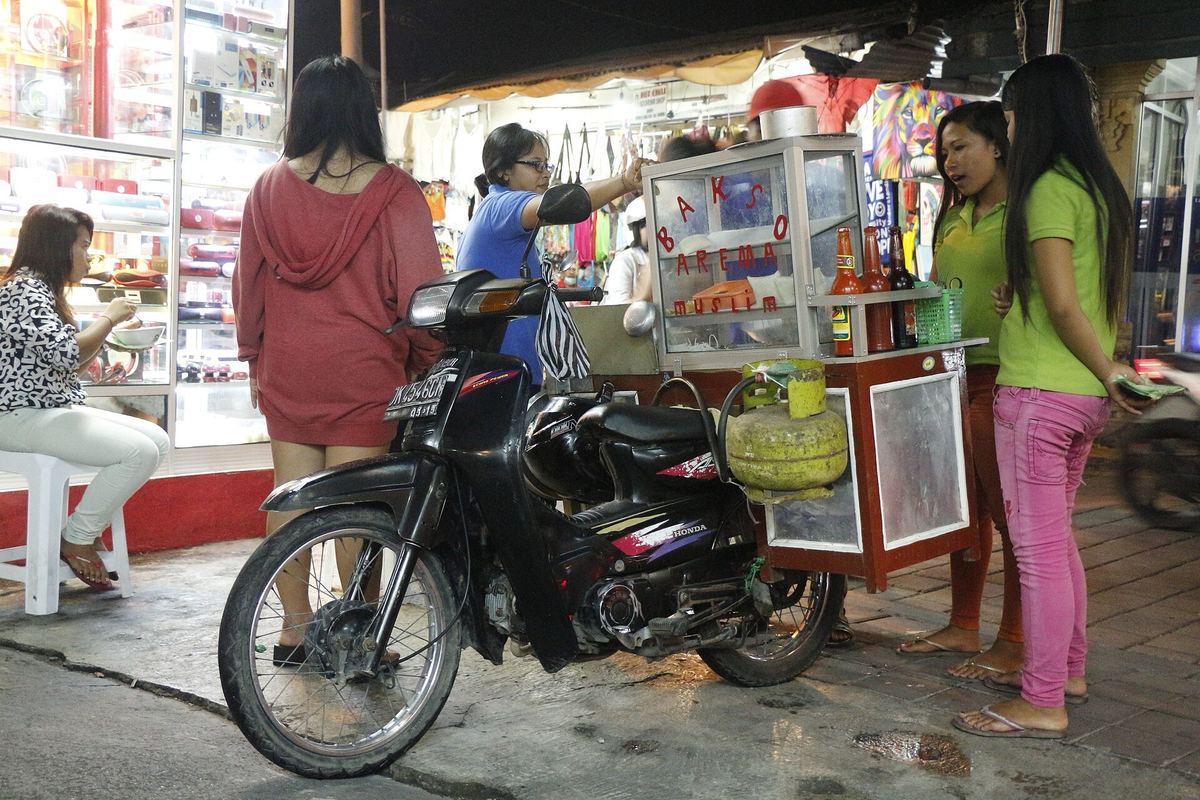
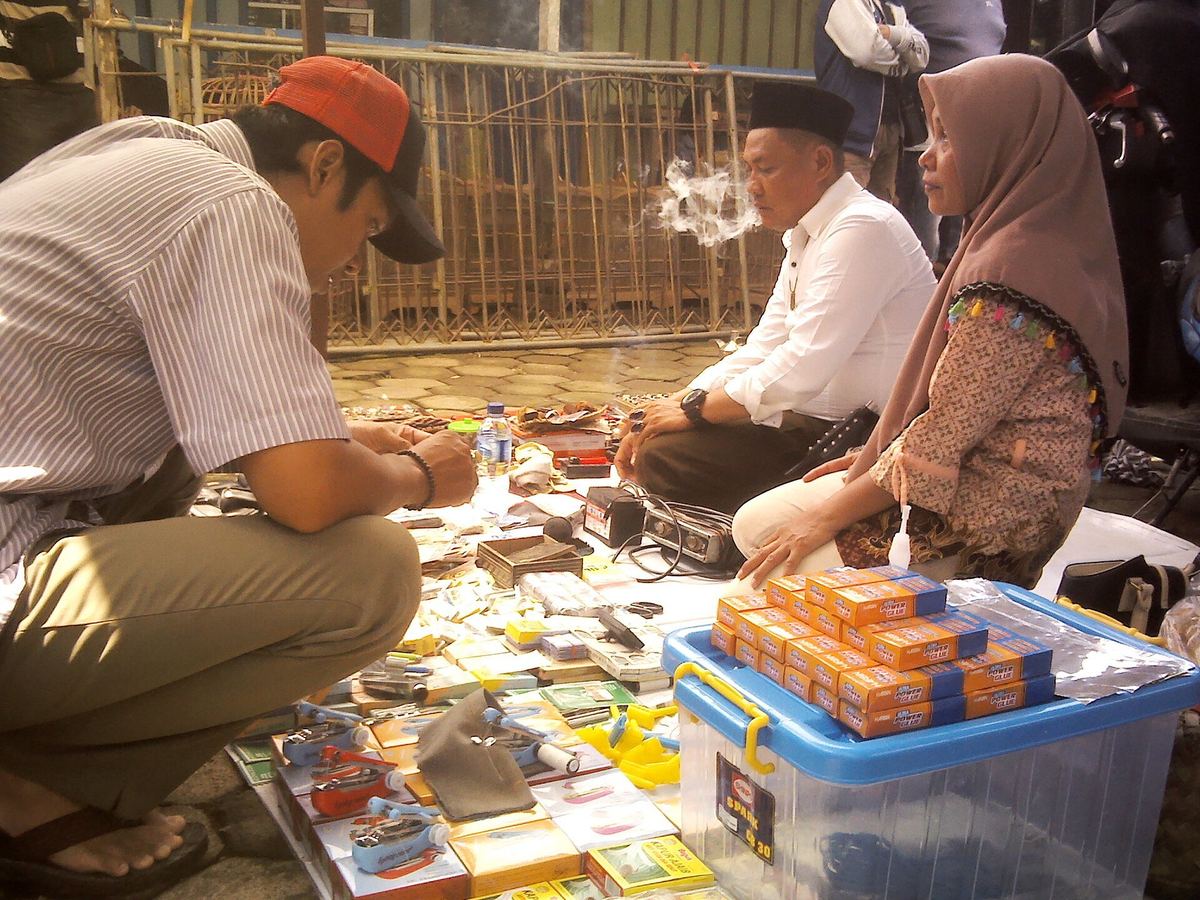
Warung & street food
Still where most daily food is bought
Traditional trade remains the largest grocery channel in Indonesia.
Photo: Robert Nagel, CC BY-SA 4.0
Minimarkets
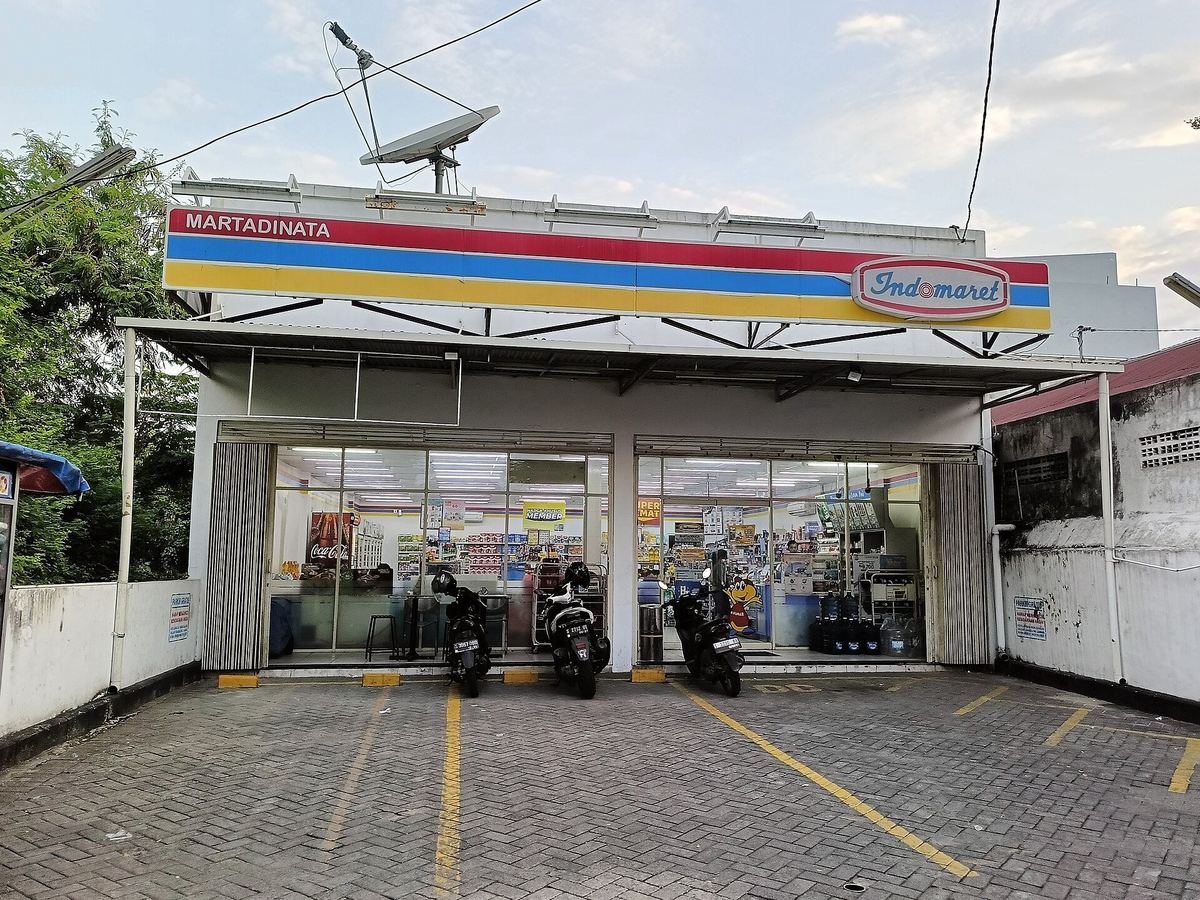
Minimarkets pass ~47,000 stores
Indomaret about 23,200 and Alfamart about 23,900 stores by mid-2025, with new stores mostly outside Java.
Photo: Indonesiagood, CC BY 4.0
Traditional markets
Household spending still growing
Household consumption grew 5.06% in Q2 2026 and makes up about 53% of GDP.
Photo: Tyo Satriany, CC BY-SA 4.0
Regulation
BPOM Regulation No. 10 of 2026
Sugar, salt and fat go on the front of the pack, starting with drinks
Signed in June, the rule makes the Nutri-Level label (grades A to D, based on sugar, sodium and fat) mandatory for certain beverages, with a 24-month transition to mid-2028. Other processed foods get a voluntary "Healthier Choice" logo. Industry groups had warned earlier this year against rolling out the labels without a roadmap.
Lab note: why salt is hard to cut
In many processed foods salt does more than season. It helps proteins bind water and fat, and it slows microbial growth, so removing it changes texture and shelf life, not only taste.
Photo: SMC, public domain
How to read the numbers
Data notes
Definitions drive size. Processed-meat estimates range from about US$1.8 billion (retail only) to US$5–18 billion (all consumption). They measure different things.
Prefer growth rates over levels. Publishers disagree on size but often agree on growth. I compare years within one source, never across sources.
Currency matters. A weaker rupiah can make a growing market look flat in dollars.
Cross-check with hard counts. Store numbers, company revenue and official statistics keep consultancy estimates honest.
Show figures move. Exhibition numbers here are pre-show or third-party; final organiser numbers come later.